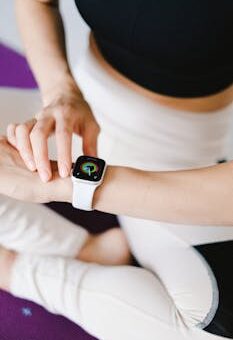
The rapid rise of smartwatches and fitness trackers is transforming daily routines, as wearable devices now blend seamlessly into nearly every facet of modern life.
As technology progresses, users encounter the practical issue of balancing personalization and privacy when integrating these devices into their digital ecosystems at home or on the go.
Many assume wearable devices only monitor steps or sleep patterns, but their capabilities extend well beyond basic health tracking, sometimes catching users off guard with their complex data features.
This article will explore the next wave of wearable technology, offering practical insights on device trends, industries adopting them, and actionable tips for choosing the right wearable devices for your needs.
How Wearable Devices Have Gained User Loyalty
Wearable devices have become essential for many, with people citing convenience, customization, and health benefits as primary reasons for continued use over time.
Integrating wearable devices into daily routines builds consistent engagement, as these tools track health metrics while providing timely reminders and actionable insights personalized for each individual.
Personalization and Trust: The Heart of User Engagement
Deep personalization makes wearable devices addictive. For instance, automatic sleep-tracking instantly recommends adjustments based on your routines.
It may surprise some, but many users feel a stronger connection to devices that “nudge” them with personalized feedback, building trust through positive reinforcement.
A common failure scenario is ignoring data trends and alerts. Over time, this can result in missed health red flags or ineffective routine adjustments.
To recover, try this script: “I want to make sure I’m using my device’s insights daily. What are one or two actions I can adjust this week for better results?”
Essential Tools and Smart Practices
Device makers offer a suite of companion mobile apps to make insights actionable and keep motivation high, creating a feedback loop for improvement.
Most users only explore basic app features. In contrast, the most engaged individuals set personal goals, customize notifications, and analyze weekly trends for progress.
Step-by-step: Sync your device, install the official app, enable notifications, set a measurable health goal, and review the progress tracking dashboard weekly.
Personalization transforms the relationship between user and technology, elevating wearable devices to more than just another gadget. It becomes a personal health assistant.
Launching Your Wearable Device Journey the Right Way
Improved results begin the moment you unbox wearable devices and approach onboarding with purpose, setting a solid foundation for all future engagement.
Improper device setup can lead to missed notifications or incorrect data, ultimately reducing user satisfaction and even leading to device abandonment.
Your First Steps: Installation, Setup, and Permissions
Install the official app before you power on your wearable devices. This ensures updates and secure links to your phone or cloud account immediately.
Allow access only to necessary permissions. Choose health, location, and notifications carefully to limit unnecessary data sharing while still enabling core features.
Start with a structured, not rushed, first session exploring main dashboard screens, connection settings, and key metrics. Don’t skip the tutorial as it can reveal hidden functions.
Stop dismissing setup questions or skipping privacy settings. Setting these properly gives better long-term control over what data your wearable devices collect and share.
- Charge your device full on day one. Start with a fresh battery to avoid interruptions and ensure first-day updates download smoothly.
- Enable notifications in the official app, but only for health and goal alerts. Too many notifications reduce long-term engagement and add digital clutter.
- Change default usernames and passwords. Custom credentials keep your device and data safe and help prepare for integration with other entries in your smart-home ecosystem.
- Begin personalized goal-setting on your first day. Setting an actionable and relevant goal improves both motivation and the usefulness of device-generated insights.
- Review privacy settings in both the app and device menu, ensuring that your data remains secure and only linked to trusted platforms or cloud services.
If you miss initial setup tips, revisit the settings immediately. Adjust privacy and notification options to restore usable, safe, and customized experiences with your wearable devices.
Expanding Communication: Social Features and Feedback Loops
Wearable devices are not limited to individual data tracking. They now play a significant role in social engagement and collective wellness motivation through sharing and group challenges.
Getting feedback from peers pushes users to stay consistent, as leaderboard rankings, community goals, and sharing personal bests create a sustained sense of competition and camaraderie.
Smart Interactions and Meaningful Sharing
Profiles should prioritize active engagement cues. For efficient conversation, include your fitness goals in your bio and one unique achievement from recent workouts.
Don’t over-publicize every metric. Instead, share milestones or stories tied to broader well-being, making your updates relatable, actionable, and inspirational to others.
Try a two-thread opener: “I noticed your step challenge score increased this week. What change helped you most? Any advice for someone looking to improve?”
It is counterintuitive, but using authentic, unfiltered images or stats drives more interactions and builds trust compared to polished or excessively edited content.
Safety and Privacy Toolbox
Protecting privacy means checking these: app privacy center, share settings, and account linking permissions after any app or device update.
To block or report a suspicious contact, use the in-app support tools. These processes vary but allow you to control and limit risky interactions quickly and effectively.
If you feel uncomfortable, use this message: “I prefer not to share personal data or compete on certain stats. Can we focus on general health tips instead?”
Keep bios general: avoid disclosing full location or personal health conditions in public groups or forums linked to your wearable devices. Your safety should always come first.
Wearable Devices in Healthcare: Revolutionizing Patient Outcomes
Wearable devices are now accelerating change in healthcare by monitoring chronic conditions, supporting remote patient monitoring, and sharing real-time metrics with doctors for better intervention.
Wearable devices offer clinicians a holistic view of patient health, leading to earlier detection of abnormalities and more personalized health guidance and treatment plans tailored for each case.
The Role of Remote Monitoring in Chronic Care
Patients with heart disease or diabetes can use wearable devices to track heart rate, blood pressure, or blood sugar, flagging risky trends and alerting caregivers immediately.
Clinical failures occur when data goes unchecked or isn’t integrated into medical records, resulting in missed warning signs for serious or escalating conditions.
Healthcare teams should apply this script: “Can we add my wearable device data to my official patient profile for comprehensive monitoring?” This enables better responses between visits.
Patients who set up their wearable devices early see benefits, including medication adherence reminders, rehabilitation, and better day-to-day symptom management through instant feedback and alerts.
Table: Common Healthcare Applications of Wearable Devices
| Application | Example Device | Main Benefit |
|---|---|---|
| Heart Rate Tracking | ECG-enabled smartwatches | Early detection of arrhythmias |
| Glucose Monitoring | Continuous glucose monitors (CGMs) | Real-time blood sugar alerts |
| Sleep Apnea Screening | Wearable sleep bands | Automated event detection |
| Rehabilitation Support | Motion sensing wearables | Remote recovery guidance |
Wearable Devices in Fitness and Sports
Wearable devices are revolutionizing how athletes and fitness enthusiasts track, analyze, and optimize performance, making data-driven training approaches available for everyone.
From tracking mileage to optimizing workouts, these devices provide actionable feedback, personalized coaching, and automated recovery recommendations, maximizing both recreational and serious training programs.
Performance Enhancements and Real-World Results
Real-time feedback from wearable devices enables runners to adjust pace, form, and hydration strategies during long-distance events, reducing injury rates and improving finish times.
Conversely, neglecting device maintenance or wearing outdated hardware leads to inaccurate results and missed progress benchmarks, undermining the true value of advanced analytics.
Try this: “After your workout, log insights from your wearable device, then review them on your dashboard to spot small changes in fitness or habits over weeks.”
Nutrition integration is also key. By syncing dietary apps with wearable devices, you can correlate energy intake and expenditure, informing smarter training and recovery strategies for better health.
Advanced Metrics: Beyond Steps and Calories
Athletes and casual users now demand more granular data: VO2 max, recovery time, and even real-time biometric feedback for actionable, in-the-moment coaching directly from wearable devices.
Mini boot camps led by virtual trainers on devices allow for adaptive scheduling and exercise suggestions tailored to fatigue, time of day, and personal goals, further enhancing results.
Take advantage of goal reminders, interval timers, and workout challenges to turn daily routines into motivating and measurable progress using insights only wearable devices can provide.
Data overlays from multiple activities and historical trending motivate long-term commitment to smart fitness, as progress becomes visible and trackable on both daily and monthly timelines.
Emerging Trends: Future Frontiers of Wearable Devices
Innovators are pushing the boundaries of wearable devices, creating form factors like smart clothing, flexible displays, and even biometric patches that invisibly monitor key health data throughout the day.
Integration with augmented reality glasses and haptic feedback bands introduces immersive new ways to experience content, providing hands-free navigation and communication right from your wearable devices.
AI and Predictive Analytics: Smarter Devices Ahead
Artificial intelligence is enabling wearable devices to deliver customized insights by learning user routines and proactively making recommendations for sleep, fitness, mental health, or productivity.
Next-generation predictive analytics help detect early health trends, like abnormal heart rhythms or stress events, allowing timely intervention and lifestyle adjustments before bigger issues develop.
Failure to update devices with the latest AI-driven features can lead to missed optimizations. Regularly check for firmware and software updates to leverage these new advances fully.
Future innovations will likely blend invisible sensors into clothing, creating devices that work silently in the background and offer deeper insight without added bulk or discomfort.
Bullet List: Upcoming Innovations in Wearable Devices
- Smart textiles: Clothing embedded with biometric sensors enables 24/7 health tracking without extra gadgets or discomfort during regular activities like work or exercise.
- Flexible, bendable displays: Next-wave wearables will mold to your wrist or body, enhancing comfort and improving access to data in all lighting and movement conditions.
- Implantable health monitors: Early prototypes allow for subdermal placement, providing uninterrupted monitoring of glucose, hydration, or even early infection detection without visible hardware.
- Energy harvesting: Solar and kinetic charging technologies reduce the need for constant recharging, keeping wearable devices ready for long sessions in remote or power-scarce locations.
- Sensory immersion: Haptic feedback bands and AR glasses create new ways to experience, control, and interact with digital environments using only gestures and natural language inputs.
The Business Impact: Industries Transforming with Wearable Devices
Adoption of wearable devices is expanding beyond consumers, with major impacts observed across healthcare, manufacturing, logistics, field services, and even finance sectors.
In the workplace, wearable devices improve employee wellness, monitor hazardous environments, and enable hands-free communication, increasing safety and productivity across multiple roles.
Key Industries Embracing Wearable Technology
Hospitals use wearable devices to monitor staff stress or patient vitals, while construction and logistics companies rely on them for real-time alerts on workplace injuries or environmental hazards.
Financial analysts and executives benefit from wearable devices that track cardiovascular metrics and manage notifications discreetly during meetings, improving health and time management.
Failure could occur if organizations ignore employee feedback or privacy concerns during large-scale adoption. Continuous education and transparent communication help prevent resistance and build user acceptance.
Script for leaders: “We want your feedback as we adopt wearable technology. Which device features would help you feel safer, more productive, and healthier during your workday?”
Workforce Transformation: A Competitive Advantage
Organizations invest in wearable devices for workforce optimization: location tracking, hands-free task management, predictive maintenance, and personalized safety alerts offer measurable improvements in operations.
Regular device audits ensure compliance with data privacy laws and employee preferences, creating a culture of trust and technological empowerment across all levels of business.
Industries at the forefront of wearable devices innovation emphasize tailored training for device usage, maximizing ROI through increased engagement, safety, and operational insight.
As tech adoption grows, competitive advantage will rely on integrating wearable devices seamlessly with software and hardware, encouraging feedback, and refining options to fit evolving employee needs.
Conclusion
To fully benefit from wearable devices, commit to smart setup, meaningful personalization, regular safety checks, and embracing both emerging tech and workplace best practices.
This stepwise approach yields higher device engagement, more accurate health and productivity insights, and increased safety on both personal and organizational levels.
Avoid assuming early setup choices are sufficient. Regularly review device settings and privacy preferences to ensure continued progress, control, and adaptability as features evolve.
Start today by reviewing your wearable devices settings, updating any preferences, and setting one new goal that leverages the latest features or social engagement opportunities available to you.